

A 10×20 canopy gives you 200 square feet of covered space, enough room for a double vendor booth, a full vehicle, or a sizeable event setup without feeling cramped. But not every canopy is built the same way, and picking the wrong one means you’re either fighting wind, wrestling with a flimsy frame, or returning something that looked great online and fell apart at the first outdoor event. The difference between a solid purchase and an expensive mistake often comes down to frame material, fabric quality, and how the canopy will actually be used.
At TMP Inflatables, we’ve spent over 20 years designing and producing custom inflatable tents, branded shelters, and event structures for agencies and businesses across North America. That experience has given us a sharp eye for what holds up in real-world conditions, and what doesn’t. While our specialty is custom inflatable solutions, we know the canopy market inside and out because our clients regularly ask us to help them evaluate their options before committing to a purchase. We understand what event planners, vendors, and marketing teams actually need from a portable shelter.
This guide breaks down 11 of the best 10×20 canopy options currently available, covering pop-up models, heavy-duty commercial frames, and canopies with sidewalls for added protection. Whether you need a setup for weekend markets, trade shows, or long-term storage, you’ll find a straightforward comparison here to help you choose the right one, and avoid wasting your budget on something that doesn’t match your use case.
1. TMP Inflatables custom 10×20 canopy inflatable tent
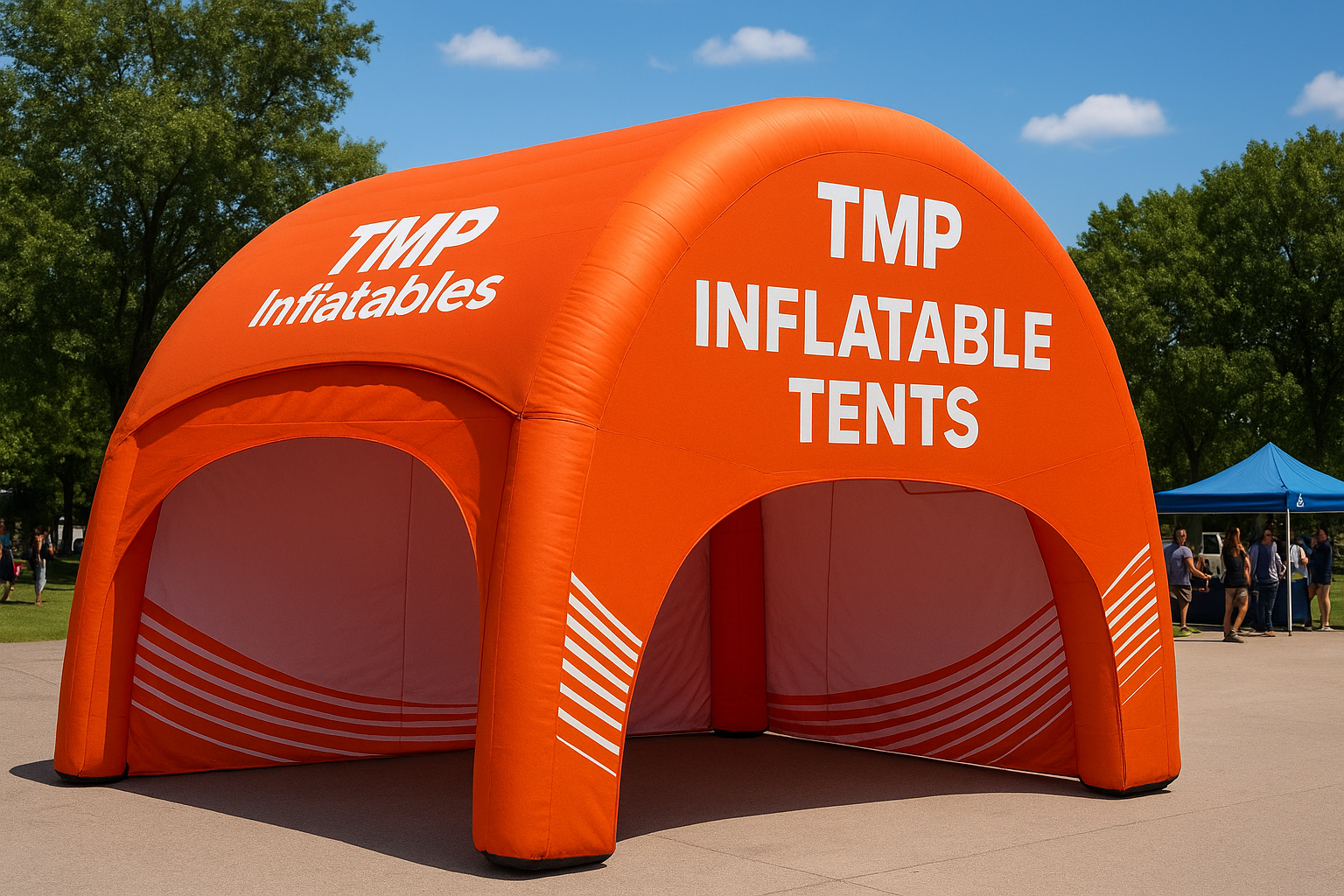
If you need a canopy that does more than provide shade, TMP Inflatables builds custom inflatable tents in the 10×20 canopy footprint designed for brands that want their shelter to work as hard as their marketing. These aren’t off-the-shelf pop-ups. Every unit is designed and manufactured to your specifications, from structure shape and color to full-surface print coverage, which makes this option fundamentally different from anything you’ll find in a big-box store.
Best use cases
TMP inflatable tents work best for experiential marketing activations, product launches, trade shows, and high-visibility outdoor events where a plain white tent would get lost in the crowd. If your event requires your shelter to function as a branded environment rather than just overhead cover, this is the category to explore. Clients in sports, hospitality, and retail regularly use these structures when the tent itself needs to be part of the brand experience.
- Brand activation events and sponsorship zones
- Festival and concert footprints
- Sports venue sideline structures
- Corporate outdoor hospitality setups
Build and material notes
TMP tents use commercial-grade PVC and reinforced Oxford fabric, built to handle repeated outdoor use across multiple seasons. The inflatable frame eliminates traditional metal poles entirely, which removes the risk of frame collapse under wind stress. Structural integrity comes from air pressure maintained through a continuous blower, so the frame stays rigid and consistent as long as power is available at the site.
Setup and transport
Setup requires one blower unit and roughly 5 to 10 minutes to fully inflate, which compares favorably to the 30-plus minutes needed for a comparable hard-frame canopy with multiple people. The packed unit fits into carry bags small enough for two people to manage, making transport straightforward even at large venues with limited vehicle access. No tools, stakes, or hardware assembly are required.
A 10×20 canopy that doubles as a branded installation can effectively replace both your shelter and your signage budget in a single purchase.
Branding and customization options
TMP handles full-surface digital printing directly on the tent fabric, so your logo, colors, and messaging wrap the entire visible structure. You can also customize entry configurations, window panels, and internal lighting mount points for more controlled environments. Shape customization is available for clients who want something beyond the standard rectangular footprint.
Typical price range
Custom inflatable tents sit in a higher investment range than standard pop-ups, typically starting around $3,000 and climbing based on size, print complexity, and added accessories. For brands running multiple activations per year, the per-use cost drops quickly when you compare it against repeatedly renting traditional event structures.
2. EZ UP 10×20 pop-up canopy
EZ UP is one of the most recognized names in the portable canopy space, and their 10×20 canopy options reflect years of refinement based on actual event use. The brand offers multiple product lines at different price points, with the Eclipse and Endeavor series being the most commonly used for vendor and event applications.
Best use cases
EZ UP canopies work well for farmers markets, outdoor retail setups, and recurring vendor events where you need a reliable shelter that goes up fast and holds its shape across multiple uses. They’re a solid pick for small business owners and weekend event vendors who need something dependable without committing to a high upfront cost.
Build and material notes
The frame uses powder-coated steel or anodized aluminum depending on which series you select, with the aluminum models being noticeably lighter and more corrosion-resistant over time. Fabric weight runs between 150D and 300D polyester, with the higher-end lines offering better UV protection and improved water resistance for longer outdoor sessions.
If you run outdoor events more than a few times per season, the aluminum-frame models are worth the extra cost over the steel versions.
Setup and transport
EZ UP’s hub-and-slider mechanism lets one person set up the frame in under 5 minutes, which is a genuine advantage at busy events. Most models ship with a rolling wheeled carry bag that fits both the frame and canopy top together.
Sidewalls and accessory fit
EZ UP sells branded sidewalls and half-walls that are designed specifically for their frame dimensions. Fit and compatibility are straightforward when you purchase accessories within the same product line rather than mixing third-party options.
Typical price range
Expect to pay $400 to $900 for a standard EZ UP in this size, with professional aluminum-frame configurations reaching toward the higher end when accessories are factored in.
3. MasterCanopy 10×20 pop-up canopy
MasterCanopy has built a strong following among outdoor vendors looking for a budget-friendly alternative that still delivers consistent performance across multiple uses. Their 10×20 canopy lineup targets the same market as EZ UP but often comes in at a lower price point, making it a common first purchase for new vendors or businesses testing the waters with outdoor events.
Best use cases
MasterCanopy shelters fit well for craft fairs, flea markets, and outdoor food vendor setups where cost control matters and you’re not running daily commercial operations. They’re also a practical option for backyard events and weekend pop-up retail where conditions are predictable and the canopy doesn’t need to survive aggressive weather.
Build and material notes
The frame is typically powder-coated steel, which holds up through moderate use but adds weight compared to aluminum alternatives. Canopy fabric sits around 150D to 210D polyester with a water-resistant coating that handles light rain without soaking through, though prolonged heavy rain will test its limits over time.
If you plan to use this canopy more than a dozen times per season, upgrading to an aluminum-frame model from this or another brand will save you money over time.
Setup and transport
Setup follows the standard hub-and-slider pop-up mechanism and takes roughly 5 to 10 minutes with two people. Most configurations include a carry bag with shoulder straps, though wheels are not always standard depending on the package.
Sidewalls and accessory fit
MasterCanopy sells matching sidewall panels for their frames, but third-party compatibility can vary. Sticking to MasterCanopy-branded accessories gives you the most reliable fit and finish.
Typical price range
Most MasterCanopy 10×20 setups land between $250 and $450, depending on included accessories and fabric grade.
4. Extreme Canopy 10×20 pop-up canopy
Extreme Canopy positions itself as a step above entry-level pop-up brands, targeting commercial vendors and event professionals who need more durability without moving into custom fabrication. Their 10×20 canopy models tend to feature heavier construction than comparable options at the same price point, which makes them worth considering if you run outdoor setups on a regular schedule.
Best use cases
Extreme Canopy frames are well-suited for trade show exhibitors, outdoor market vendors, and event organizers who set up multiple times per month. The added structural reinforcement also makes these tents a reasonable pick for sports sidelines and outdoor hospitality zones where consistent performance matters more than trimming your upfront cost.
Build and material notes
Frames are typically built with heavy-gauge steel or reinforced aluminum, and canopy tops run in the 300D to 420D polyester range, which is noticeably heavier than what budget-tier brands deliver. This combination improves UV blocking and provides better resistance to light wind without requiring additional guy lines.
A heavier canopy fabric won’t compensate for a weak frame, but paired with solid frame construction, it adds meaningful longevity to your purchase.
Setup and transport
Setup follows the standard pop-up hub-and-slider design and takes two people roughly 5 to 10 minutes. Most Extreme Canopy packages include a rolling carry bag designed to hold both the frame and canopy top together for transport between events.
Sidewalls and accessory fit
Extreme Canopy offers matching sidewall panels and half-wall configurations built to their specific frame dimensions. Buying within the brand lineup keeps your installation clean, though third-party sidewalls often fit with minor adjustments to the attachment points.
Typical price range
Most Extreme Canopy 10×20 setups run between $350 and $600, depending on frame material and included accessories.
5. ABCCanopy 10×20 pop-up canopy
ABCCanopy has grown into one of the more popular mid-range options for vendors who want solid construction without spending at the commercial tier. Their 10×20 canopy models appear frequently in online vendor communities, largely because they hit a useful balance between material quality and affordability that’s difficult to find consistently in this size range.
Best use cases
ABCCanopy shelters are a practical fit for craft vendors, outdoor retail pop-ups, and community events where you need a dependable setup without a commercial-grade budget. They’re also a reasonable pick for small business owners running seasonal outdoor promotions who need a canopy they can use regularly without treating it like fragile equipment.
Build and material notes
The frame on most ABCCanopy 10×20 models uses powder-coated steel, which keeps the cost down but adds noticeable weight compared to aluminum alternatives. Canopy tops typically run 150D to 210D polyester with a water-resistant coating that handles light rain and provides reasonable UV blocking for all-day outdoor use.
Steel frames at this price point are workable for occasional use, but expect more maintenance than you’d get from an aluminum alternative over multiple seasons.
Setup and transport
Setup follows the standard pop-up hub-and-slider mechanism and takes two people roughly 5 to 10 minutes. Most packages include a carry bag with shoulder straps, though wheeled bags are not always included as standard depending on the configuration you select.
Sidewalls and accessory fit
ABCCanopy sells matching sidewall panels designed specifically for their frames. Third-party sidewalls can work, but attachment point compatibility varies by model, so confirm dimensions before purchasing separately.
Typical price range
Most ABCCanopy 10×20 setups land between $200 and $400, depending on included accessories and fabric grade.
6. Impact Canopy 10×20 pop-up canopy
Impact Canopy targets the commercial vendor market with a 10×20 canopy lineup that leans harder into print customization and heavier construction than most mid-range competitors. If you run a branded outdoor setup and want something between a generic white tent and a fully custom build, Impact Canopy occupies that middle ground reasonably well.
Best use cases
Impact Canopy setups work well for outdoor markets, trade show floors, and branded vendor booths where you want visible logo placement without commissioning a fully custom product. Their print-ready canopy tops make them particularly useful for businesses that want consistent branding across recurring events.
- Branded retail pop-ups
- Recurring outdoor market setups
- Sponsored event activations
Build and material notes
Frames on most Impact Canopy models use heavy-duty powder-coated steel or aluminum, and canopy tops typically run 300D to 420D polyester with UV-resistant coatings. The heavier fabric holds color well after repeated sun exposure, which matters when your canopy doubles as a branding surface.
Printed canopy tops fade faster with lower-grade fabric, so the 300D+ rating here is worth noting if brand consistency matters to your setup.
Setup and transport
Setup follows the standard hub-and-slider pop-up mechanism and takes two people roughly 5 to 10 minutes. Most configurations ship with a wheeled carry bag that holds both the frame and canopy top together.
Sidewalls and accessory fit
Impact Canopy offers matching printed sidewalls designed to align with their canopy tops for a seamless branded look. Third-party sidewalls can attach, but print alignment will not match unless ordered directly through Impact Canopy.
Typical price range
Most Impact Canopy 10×20 setups run between $400 and $700, with printed configurations pushing toward the higher end depending on design complexity.
7. Caravan Canopy 10×20
Caravan Canopy is a well-established name in the portable shelter category, known for producing reliable, mid-range canopies that hold up through repeated use without demanding a premium price. Their 10×20 canopy options sit comfortably between budget entry-level models and full commercial-grade frames.
Best use cases
Caravan Canopy setups work well for outdoor markets, backyard events, and recurring vendor applications where you need consistent, dependable performance across a full season. They’re also a practical choice for sports organizations and school fundraiser events where multiple people share setup duties and simplicity matters.
Build and material notes
Most Caravan Canopy frames use powder-coated steel construction, which keeps the cost accessible but adds weight compared to aluminum alternatives. Canopy tops typically run 150D to 210D polyester with water-resistant and UV-blocking coatings that handle standard outdoor conditions well across a full day of sun exposure.
If you’re running outdoor setups more than once per week, the added weight of a steel frame becomes a practical concern worth factoring into your buying decision.
Setup and transport
Setup uses the standard hub-and-slider pop-up mechanism and takes two people roughly 5 to 10 minutes from bag to fully deployed. Most packages include a wheeled carry bag, making transport between venues manageable without extra equipment.
Sidewalls and accessory fit
Caravan Canopy sells compatible sidewall panels for their frames, though fit varies between product lines. Confirming model-specific compatibility before purchasing sidewalls separately will save you from attachment issues on-site.
Typical price range
Most Caravan Canopy 10×20 setups land between $250 and $500, depending on included accessories and frame configuration.
8. ShelterLogic 10×20 Canopy-in-a-Box
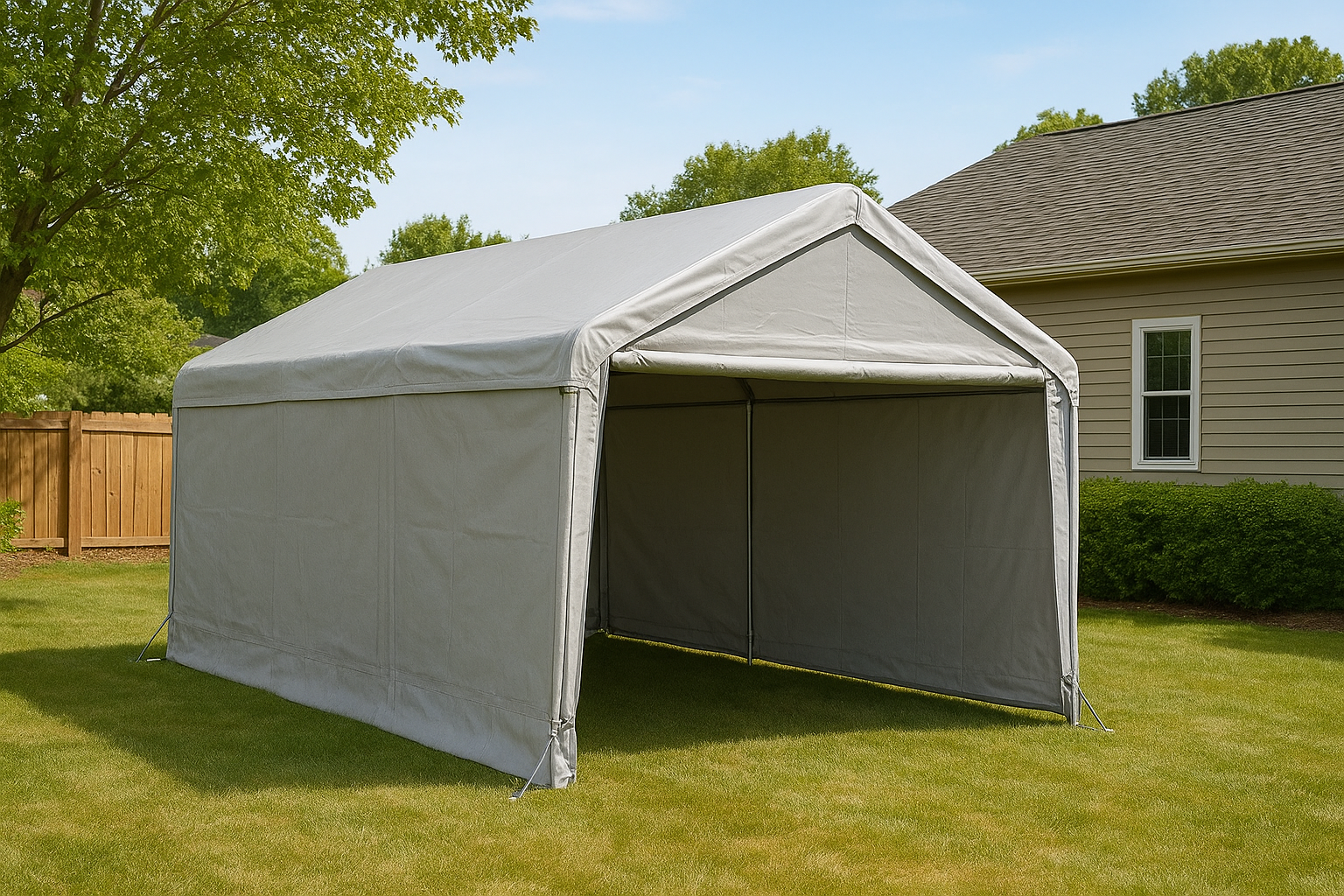
ShelterLogic takes a fundamentally different approach than traditional pop-up canopies. Their Canopy-in-a-Box series is built as a semi-permanent shelter that you stake into the ground and leave in place for extended periods, rather than repeatedly break down and move between events.
Best use cases
ShelterLogic shelters work best for vehicle storage, backyard equipment cover, and seasonal outdoor storage where you need a large covered footprint that stays in one place for weeks or months. This is not your first choice for vendor events or trade shows, but it fills a genuine gap for homeowners and small businesses that need affordable covered storage without a permanent structure.
Build and material notes
The frame uses galvanized steel tubing, which resists rust better than standard powder-coated steel when left outdoors through changing weather. Canopy covers typically run 150D to 300D polyethylene, treated for UV resistance and water repellency to handle rain and sun across multiple seasons without significant degradation.
Setup and anchoring needs
Initial setup takes two to three people about 30 to 60 minutes, which is longer than a standard 10×20 canopy pop-up but reflects the more durable connection points involved. You should plan to stake or anchor all four corners using the included ground anchors, especially in areas with regular wind exposure.
Skipping the anchoring step with a semi-permanent shelter is the most common reason these structures fail during unexpected weather.
Enclosure and seasonal use
ShelterLogic sells compatible roll-up door panels and sidewall enclosures for their frames, making full enclosure practical during cold or wet months. Cover replacement kits are available separately if your cover degrades before the frame does.
Typical price range
Most ShelterLogic configurations land between $250 and $500, depending on cover grade and included accessories.
9. Two 10×10 pop-up canopies with a gutter
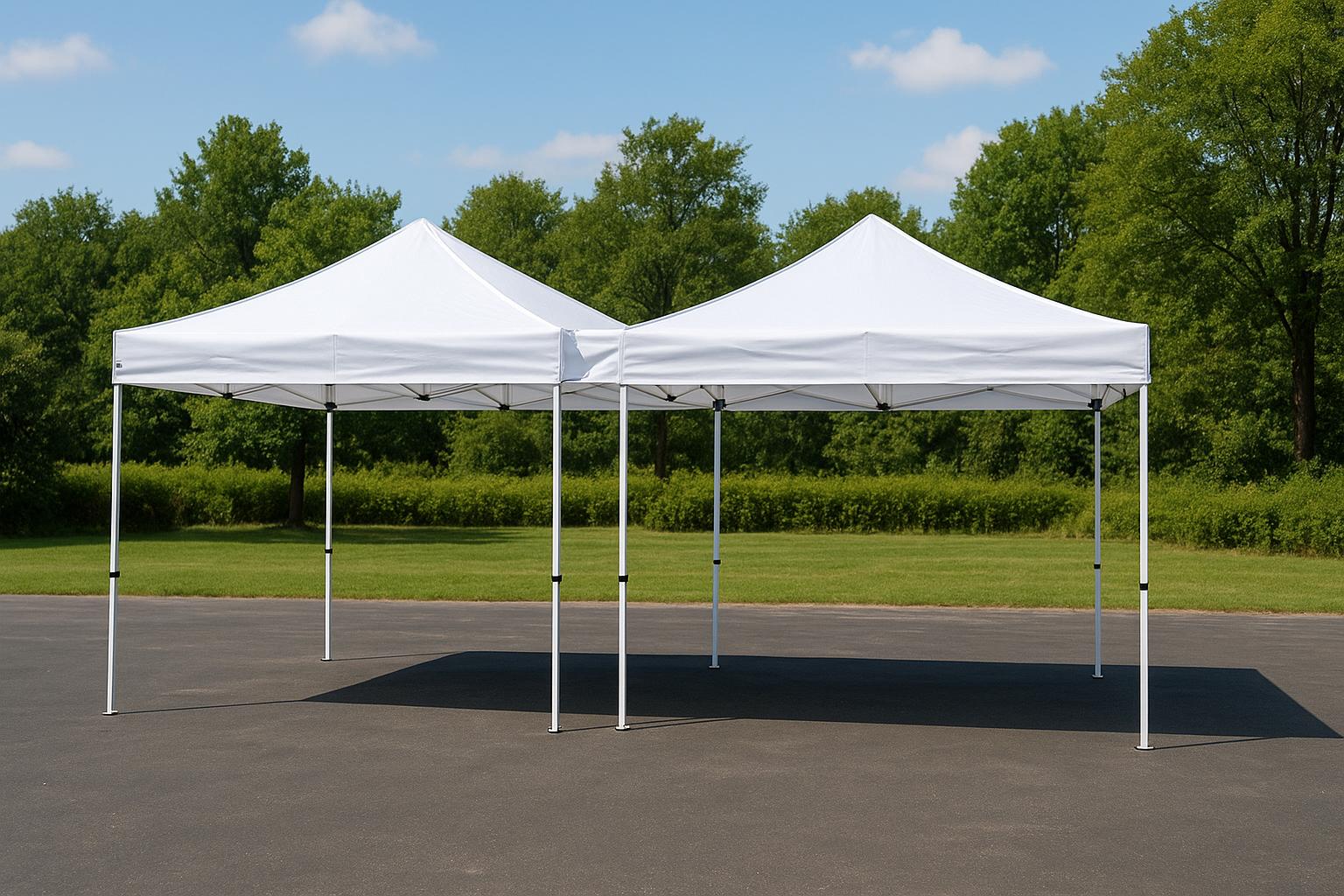
Running two 10×10 pop-up canopies side by side with a connecting gutter is a flexible alternative to buying a single large structure. You end up with a 200 square foot footprint that functionally matches a 10×20 canopy but gives you two independent frames you can use separately when you don’t need the full setup.
Best use cases
This configuration works well for outdoor vendors, market setups, and event organizers who need flexible coverage that adapts to different venue footprints. If your events vary in size week to week, splitting into two 10×10 units gives you options a fixed 10×20 canopy simply can’t match.
Build and material notes
You can mix and match brands, but matching frame manufacturers keeps the gutter connection clean and reduces fitting problems. Most vendors use aluminum-frame pop-ups in the 150D to 300D polyester range for this configuration since the lighter weight makes transporting two separate units far more manageable.
Matching your two canopy frames to the same brand and product line before buying a gutter connector will save you significant frustration on-site.
Setup and transport
Setup requires two people working in parallel, one per frame, and takes roughly 10 to 15 minutes total. Each frame packs into its own separate carry bag, so you’re loading two bags instead of one larger unit.
Connector, gutter, and sidewall compatibility
Gutter connectors are sold by brands like EZ UP and Caravan specifically for this application. Sidewalls attach to each frame independently, and end walls cover the outer edges while the gutter handles the center connection point.
Typical price range
Budget $500 to $1,200 total for two quality aluminum-frame 10×10 canopies plus a compatible gutter connector kit.
10. Amazon marketplace 10×20 canopy picks
Amazon carries hundreds of 10×20 canopy listings from lesser-known brands, and sorting through them takes more effort than most buyers expect. Two distinct price tiers consistently emerge from the noise, and knowing which tier fits your needs saves you from a frustrating return.
Best use cases
These picks work best for buyers who need a functional canopy quickly and don’t have a specific brand preference. One-time events, seasonal storage, and low-frequency outdoor setups are the right fit here.
Pick 1: budget steel-frame pop-up kit
Steel-frame kits from brands like Eurmax or ABCCanopy on Amazon typically run between $180 and $280 and include a carry bag. They handle occasional use in mild conditions without significant issues, making them a reasonable starting point for low-frequency setups.
Pick 2: heavy-duty aluminum-frame pop-up
Aluminum-frame listings in the $350 to $550 range deliver noticeably better portability and longevity. Brands like Eurmax Pro and Coleman consistently receive strong ratings across a high volume of verified purchases.
Sorting Amazon results by verified review count rather than star rating gives you a more reliable signal of real-world performance.
Setup and transport
Most Amazon-sourced pop-up canopies in this size use the standard hub-and-slider mechanism and take two people roughly 10 minutes to set up. Carry bags with wheels are often included at this price tier.
Listing red flags to avoid
Watch for listings with no brand name, no return policy, or fewer than 50 verified reviews. Descriptions that omit specific frame material and fabric weight are also worth skipping entirely.
Typical price range
Expect to pay $180 to $280 for steel-frame kits and $350 to $550 for aluminum alternatives through Amazon’s marketplace.
Wrap-up and next step
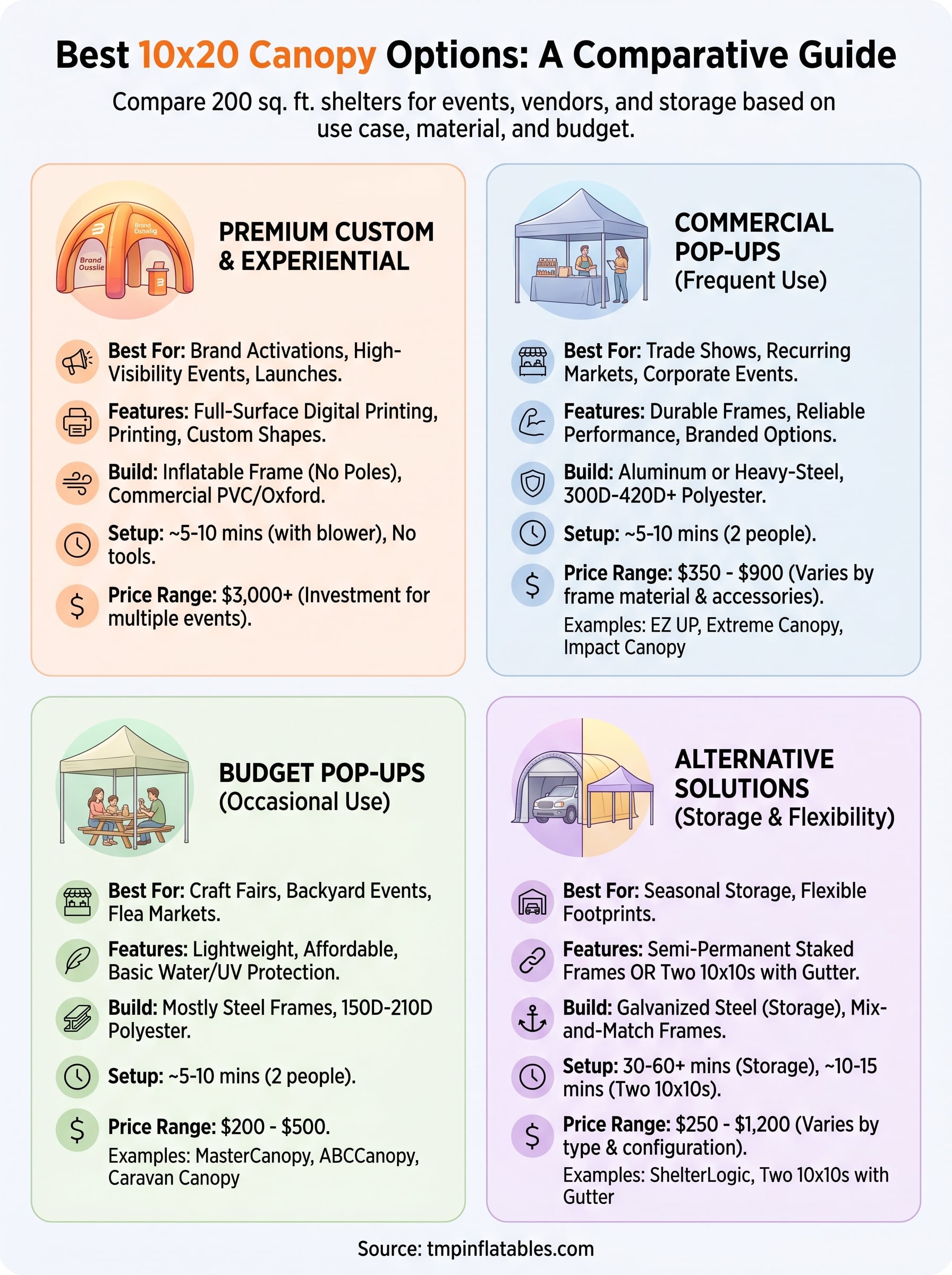
Every 10×20 canopy on this list fills a specific role, and the right choice depends on how often you set up, what your budget allows, and whether your shelter needs to carry any branding weight. For storage and backyard use, a ShelterLogic or two-canopy gutter setup gives you covered square footage without overcomplicating the purchase. For recurring vendor events, the aluminum-frame pop-up options from EZ UP, Impact Canopy, or Extreme Canopy are the most practical investment.
If your events require a shelter that functions as a branded environment rather than just overhead cover, a custom inflatable tent from TMP Inflatables is in a different category entirely. Your tent becomes part of the activation itself, pulling attention and reinforcing your brand every minute it’s standing. If that matches what you’re building toward, request a custom inflatable tent quote and we’ll walk you through what’s possible for your next event.